
How to Design a Mindful Meal Prep Routine: Time-Saving Strategies for Consistent Weight Loss

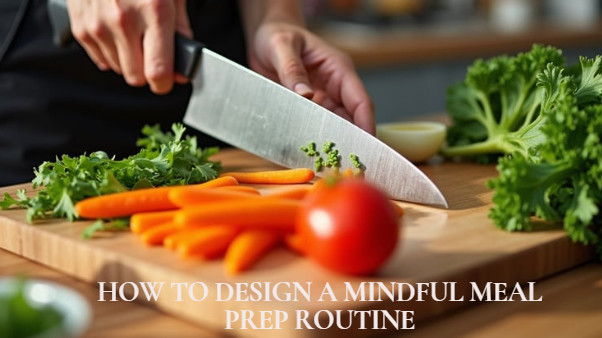
The modern kitchen is frequently a site of intense evening stress. After balancing occupational demands, family responsibilities, and daily commutes, arriving home to an empty refrigerator creates an immediate decision fatigue crisis. When you are physically exhausted and mentally drained, your brain naturally defaults to the path of least resistance: commercial food delivery apps, hyper-palatable processed convenience meals, or automatic pantry grazing.
This is the exact point where standard dietary intentions collapse. Successful, long-term fat loss is rarely determined by sheer willpower during moments of exhaustion; rather, it is dictated by the structural systems you build in advance.
Designing a structured meal prep routine is the ultimate behavioral shield against environmental dietary pitfalls. However, traditional meal prepping often feels clinical, overwhelming, and unsustainable—evoking images of identical, uninspiring plastic containers filled with dry chicken and plain broccoli. By transitioning to a flexible, mindful approach to batch cooking, you can reclaim your time, lower your daily decision fatigue, and build an environment that makes nutritional consistency effortless.
The Neurological Power of Food Organization
To discover how to design a mindful meal prep framework, we must first analyze how pre-planned food organization alters your daily decision-making neurobiology. Every single day, the human brain makes hundreds of discrete choices regarding food consumption. When your schedule becomes chaotic, your prefrontal cortex—the analytical area responsible for long-term goals and self-regulation—experiences cognitive depletion.
When this depletion occurs, your ancient limbic system takes over, demanding immediate sensory rewards through high-sugar or high-fat comfort options. This biological shift is the primary catalyst behind the behavioral patterns analyzed in our comprehensive guide on How to Overcome Late-Night Cravings.
Meal prepping systematically eliminates this daily cognitive drain. When a nutrient-dense, delicious meal is already portioned and waiting in your refrigerator, you bypass the critical “decision window” entirely. You no longer need to evaluate what to eat, calculate portions, or fight against cravings while hungry.
The choice has already been made by your rested, intentional self during the weekend. This protective structure complements an active fasting framework beautifully, creating a seamless lifestyle transition when paired with the principles found in our Intermittent Fasting Guide. By organizing your food environment, you change healthy eating from an ongoing mental battle into a default daily habit.
              THE DECISION FATIGUE SHIELD

  [ No Meal Prep ]  ---> High Decision Fatigue ---> Automated Convenience Food

  [ Mindful Prep ]  ---> Zero Decision Window  ---> Intentional Baseline Satiety
5 Core Steps to Build a Sustainable Prep Routine
Constructing a practical food prep system does not require spending your entire Sunday standing over a hot stove. Implement these five efficient, human-centric strategies to design a flexible routine that fits into a busy lifestyle:
1. Adopt the Flexible “Component Prep” Framework
The fastest way to burn out on meal prepping is attempting to cook complex, fully assembled recipes that taste stale by the fourth day of the week. Instead of creating identical mixed dishes, focus on preparing individual, high-quality ingredient components that can be mixed and matched dynamically.
-
The Action Strategy: Dedicate one hour to prepping isolated macro blocks. Roast two large sheet pans of varied vegetables (such as broccoli, bell peppers, and zucchini), bake a batch of lean protein (like chicken breast or seasoned tofu), and boil a versatile complex carbohydrate (such as quinoa or brown rice). Store these components in separate, airtight glass containers.
-
This modular approach allows you to assemble a fresh Mediterranean bowl on Monday, a hearty stir-fry on Tuesday, and a crisp salad on Wednesday using the exact same base ingredients—keeping your palate stimulated and preventing routine dietary boredom.
2. Schedule a Hard Planning and Shopping Block
Attempting to grocery shop and batch-cook spontaneously within the same afternoon creates immediate physical exhaustion. To maintain consistency, separate your strategic planning phase from your actual cooking execution phase.
-
The Action Plan: Select a quiet 20-minute window on Friday evening to map out your basic nutritional outline for the upcoming week, ensuring your totals align with a healthy caloric setup. For a complete blueprint on balancing these daily energy requirements without feeling restricted, reference our foundational breakdown on a Sustainable Calorie Deficit.
-
Write a precise grocery list organized by supermarket sections (produce, proteins, grains) and complete your shopping on Saturday. This leaves your Sunday fresh and highly efficient for pure kitchen assembly.
3. Invest in Premium, Transparent Storage Systems
The physical environment of your refrigerator plays a massive role in visual hunger cues. Storing your prepped food in mismatched, opaque plastic containers hides your healthy options from sight, allowing them to spoil while processed snacks remain visible on your countertops.
-
The Action Plan: Upgrade your kitchen kit to a matching set of clear, tempered glass containers with snap-locking, airtight lids. Glass preserves food texture and flavor significantly better than plastic, prevents chemical leaching, and is completely microwave and oven-safe.
-
Arrange these transparent containers directly at eye-level inside your refrigerator. When you open the door looking for a quick bite, your brain is immediately greeted by a bright, organized display of prepped, vibrant food options.
4. Optimize Cooking Efficiency with “Passive Multi-Tasking”
You do not need to cook every ingredient sequentially. The most effective home chefs utilize multiple kitchen appliances simultaneously to compress their active kitchen time into less than 90 minutes.
-
The Action Strategy: Map out your cooking sequence based on passive appliance time versus active stovetop time. While your complex carbohydrates are boiling unattended on the stove, your seasoned proteins and mixed vegetables can be roasting together in the oven.
-
Concurrently, you can utilize an air fryer or slow cooker to manage an alternative protein source. By letting your appliances do the heavy lifting simultaneously, you slash your active kitchen labor in half and prevent physical cooking fatigue.
5. Pre-Portion Flavor Enhancers and Healthy Snacks
A common pitfall that stalls fat loss progress is neglecting the accessories of a meal. People often prep their base proteins and veggies perfectly, but then blindly pour calorie-dense commercial dressings, oils, or sauces over the dish during the week, destroying their caloric targets.
-
The Action Strategy: Blend or portion out home-made, calorie-conscious sauces and dressing containers ahead of time using Greek yogurt, fresh herbs, citrus juice, and measured olive oil.
-
Additionally, use this block to wash, dry, and pre-portion individual grab-and-go snack packs to handle transitional daytime hunger. If you need inspiration for quick, nutrient-dense ideas that keep your energy stable between meals, choose from our curated Healthy Snacks for Weight Loss index.
Dangerous Pitfalls to Avoid in Your Kitchen Routine
-
Prepping Highly Perishable Foods Too Early: Attempting to wash and chop delicate greens or soft berries five days in advance, leading to soggy, unappetizing food waste. Save delicate items for quick mid-week assembly.
-
Overcomplicating the Flavor Profiles: Trying to cook three completely new, intricate recipes every single week. Stick to simple, reliable seasoning profiles and rely on fresh herbs and spices to vary the taste profile later.
-
Ignoring Your Natural Schedule Realities: Forcing yourself to prep a full week of meals when you already know you have professional business dinners or social events scheduled for Thursday and Friday. Always adjust your prep volume to your actual calendar.
-
Forgetting to Calibrate Your Morning Baseline: Starting your day with an unorganized, chaotic morning framework that triggers stress eating later. To secure your nutrition from the moment you wake up, apply our comprehensive guide on the Best Breakfast for Weight Loss.
Cultivating a Mindful Relationship with Your Kitchen
At its core, mindful meal prep is an act of profound self-respect and proactive self-care. It is a declaration that your health, peace of mind, and long-term wellness goals are important enough to warrant a small investment of your weekly time.
When you step into the kitchen not out of a sense of strict dietary punishment, but with the intention of nourishing your future self, the entire experience changes. You cultivate a calm, organized domestic environment that naturally supports your body, eliminates stress, and transforms sustainable fat loss from a distant hope into an inevitable, daily reality.
Actionable Milestones for Immediate Implementation
-
This Weekend’s Goal: Choose just two macro blocks to prep ahead of time—such as a single batch of chicken/tofu and one sheet pan of mixed roasted vegetables. Experience how much easier your mid-week dinners become with just these two blocks ready.
-
The Kitchen Cleanout: Spend 15 minutes clearing your refrigerator shelves and moving your clear storage containers to the center, eye-level position.
-
Draft Your Digital List: Download a simple grocery checklist app and write out your upcoming week’s ingredients categorized by store aisle to streamline your next shopping trip.
Answers to Frequently Asked Meal Prep Questions
How long can prepped cooked proteins safely stay fresh inside a standard refrigerator?
Most cooked proteins, such as chicken, beef, turkey, and tofu, remain perfectly fresh and safe to consume for 3 to 4 days when stored in premium, airtight glass containers kept at or below 4°C (40°F).
What is the most effective method to prevent prepped cut vegetables from becoming soggy?
Ensure your roasted or steamed vegetables are completely cooled to room temperature before snapping the airtight lids shut. Storing hot vegetables creates immediate steam condensation inside the container, which accelerates spoilage and makes the food soggy.
Can I utilize my freezer to extend the shelf life of my prepped structural meals?
Absolutely. If you prefer to prep two weeks of food at once, fully assemble your macro-friendly meals in freezer-safe glass containers, leaving half an inch of headspace for expansion. Move them to the refrigerator to thaw 24 hours before you plan to consume them.
How do I maintain food variety if I am using a component prep system every week?
Vary your flavor profiles through different calorie-conscious spice rubs and condiments. You can use the exact same chicken and rice base but transform it into a Mexican-inspired dish with salsa and cumin one day, and an Asian-inspired bowl with low-sodium tamari and ginger the next.
Scientific Sources & References
-
Empirical behavioral studies regarding the direct impact of pre-planned food environments on reducing daily decision fatigue and improving long-term nutritional compliance can be reviewed via the Harvard T.H. Chan School of Public Health digital resource network.
-
Comprehensive clinical data evaluating how visual food accessibility and container transparency alter sensory hunger triggers and human consumption patterns is accessible through the Mayo Clinic evidence-based behavior archives.
-
Detailed lifestyle research analyzing the positive correlation between structured home batch cooking and overall adherence to metabolic health targets is documented within the Healthline Medical Network clinical nutrition database.