

Vitamin C remains one of the most popular antioxidant ingredients in skincare. In this complete vitamin c serum review, we break down vitamin C serum benefits, compare L-ascorbic acid vs vitamin C derivatives, explain oxidation signs, and show how to use vitamin C serum safely for brighter, more even-looking skin.
If you are trying to choose the right formula, this guide will help you avoid common stability mistakes.
Vitamin C Serum Review Quick Verdict
Overall Rating: 4/5
Best For: Dullness, uneven tone, dark spots support
Beginner Friendly: Yes (with correct form selection)
Stability Matters: Extremely
This vitamin c serum review confirms that the formula form and packaging matter more than hype.
What Is Vitamin C Serum?
Vitamin C serums are antioxidant treatments designed to protect skin from environmental stress while improving brightness.
The most studied form is L-ascorbic acid. However, it can be unstable and irritating, especially at higher percentages.
Alternative vitamin C derivatives (like sodium ascorbyl phosphate or magnesium ascorbyl phosphate) are generally more stable and gentler, though results may appear more gradually.
In this vitamin c serum review, we emphasize choosing the right form for your skin type.
Vitamin C Serum Benefits
1. Brighter-Looking Skin
Vitamin C supports a more radiant appearance by helping improve uneven tone.
2. Dark Spot Support
Vitamin C for dark spots works gradually. Most visible improvement appears after 8–12 weeks of consistent use with SPF.
3. Antioxidant Protection
Helps defend against pollution and UV-related oxidative stress (but does not replace sunscreen).
4. Supports Collagen Health
L-ascorbic acid is particularly studied for collagen support.
What It Cannot Do
-
Remove deep pigmentation overnight
-
Replace sunscreen
-
Permanently erase melasma
-
Deliver dramatic changes in a week
Consistency is critical.
L-Ascorbic Acid vs Vitamin C Derivatives
| L-Ascorbic Acid | Vitamin C Derivatives |
|---|---|
| Most studied | More stable |
| Faster visible brightening | Gentler for sensitive skin |
| Can sting | Lower irritation risk |
| Needs low pH | More flexible formulations |
For oily or resilient skin, L-ascorbic acid (10–20%) may work well.
For sensitive skin, derivatives are often a safer starting point.
Who Vitamin C Serum Is Best For
This vitamin c serum review recommends it for:
-
Dull skin
-
Early uneven tone
-
Post-acne marks
-
People wanting an AM antioxidant step
If very sensitive, begin with lower strength or derivative forms.
How to Use Vitamin C Serum
Best used in the morning.
Step-by-Step AM Routine
-
Gentle cleanser
-
Apply 2–4 drops vitamin C serum on dry skin
-
Moisturizer
-
Broad-spectrum SPF
Start 3–4 mornings per week, then increase to daily use if tolerated.
Vitamin C Serum Oxidation: What You Must Know
One of the most important topics in this vitamin c serum review is oxidation.
Signs of vitamin C serum oxidation:
-
Color turns dark orange or brown
-
Smells metallic or sour
-
Reduced effectiveness
Once oxidized, it should be replaced.
Storage Tips
-
Keep away from heat
-
Avoid direct light
-
Close tightly after use
Airless pumps or opaque bottles are ideal.
What Not to Mix (Or How to Separate Safely)
If irritation-prone:
-
Avoid pairing with strong exfoliants in the same routine
-
Separate retinol (night) and vitamin C (morning)
-
Vitamin C + niacinamide is usually fine for most people
Introduce gradually to avoid irritation.
Comparison Section: Best 3 Vitamin C Serums
1. SkinCeuticals C E Ferulic
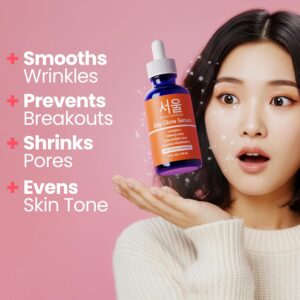
Best For: Clinical-level antioxidant support
Form: 15% L-ascorbic acid + Vitamin E + Ferulic acid
Pros:
-
Strong stability data
-
Powerful antioxidant blend
Cons:
-
Expensive
-
May tingle on sensitive skin
2. La Roche-Posay Pure Vitamin C Face Serum
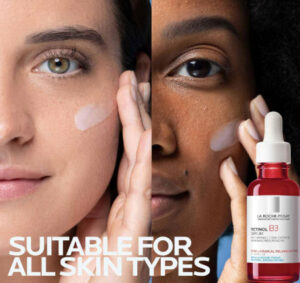
Best For: Sensitive skin beginners
Form: L-ascorbic acid with soothing agents
Pros:
-
Gentle compared to many LAA formulas
-
Dermatologist tested
Cons:
-
Slightly thicker texture
3. The Ordinary Ascorbyl Glucoside Solution 12%
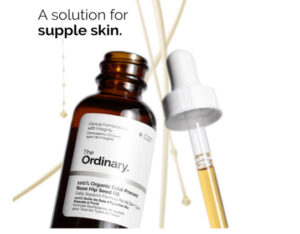
Best For: Sensitive skin or stability concerns
Form: Vitamin C derivative
Pros:
-
More stable
-
Less irritation
Cons:
-
Slower visible brightening
How to Choose the Right Formula
Look For:
✔ Clearly stated percentage and form
✔ Opaque or airless packaging
✔ Vitamin E + Ferulic acid (improves stability)
Avoid:
✘ Clear jars
✘ Exposure to light
✘ Heat storage
✘ Unlabeled concentration
Sources
-
National Center for Biotechnology Information – Vitamin C in Dermatology
https://www.ncbi.nlm.nih.gov/pmc/articles/PMC3673383/ -
American Academy of Dermatology – Vitamin C and Skin Care
https://www.aad.org/public/everyday-care/skin-care-basics/anti-aging/vitamin-c -
Mayo Clinic – Vitamin C Overview
https://www.mayoclinic.org/drugs-supplements-vitamin-c/art-20363932