

The ketogenic diet has become one of the most popular diet approaches for weight loss and appetite control. By drastically reducing carbohydrate intake and increasing fat consumption, the body shifts into a metabolic state called ketosis. In this state, fat becomes the primary source of energy instead of carbohydrates.
Many people try keto to lose weight quickly, control hunger, or stabilize blood sugar levels. However, the diet is not necessary for everyone and can be difficult to maintain long term. Understanding how keto works, its benefits, and its potential risks is essential before starting.
This keto diet guide explains the basics of the ketogenic diet, its advantages and disadvantages, common mistakes, and who should avoid this approach.
What Is a Keto Diet?
The ketogenic diet is a very low-carbohydrate, high-fat diet designed to push the body into ketosis, a metabolic state where fat is burned for fuel instead of carbohydrates.
Typical macronutrient distribution:
-
Fat: 65–75% of daily calories
-
Protein: 20–30%
-
Carbohydrates: 5–10%
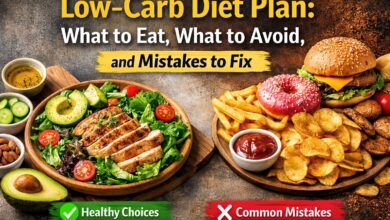
Foods commonly included in a keto diet:
-
meat and poultry
-
fish and seafood
-
eggs
-
cheese and full-fat dairy
-
avocado
-
nuts and seeds
-
olive oil and butter
-
low-carb vegetables such as spinach, broccoli, and zucchini
Foods usually limited or avoided:
-
bread and pasta
-
rice and grains
-
sugary foods and drinks
-
most fruits
-
starchy vegetables like potatoes
Benefits of Keto Diet
Some people experience noticeable benefits when following a ketogenic diet:
Reduced appetite
High fat and protein intake may help increase satiety.
Initial rapid weight loss
Early weight loss often includes water loss as glycogen stores decrease.
Blood sugar control
Lower carbohydrate intake can reduce blood sugar fluctuations.
Simplified meal structure
Many people enjoy the clear rules of the diet.
However, long-term success depends mainly on consistency and overall calorie intake, not ketosis alone.
Who Should Use It
The ketogenic diet may work for:
-
people who prefer strict diet rules
-
individuals who feel better with very low carbohydrates
-
those who experience strong sugar cravings
-
people who can maintain structured meal planning
However, it is not necessary for most people to achieve weight loss or health improvements.
How to Follow a Keto Diet
Build Balanced Keto Meals
Each meal should include:
-
Protein: chicken, fish, eggs, beef
-
Low-carb vegetables: spinach, broccoli, cauliflower
-
Healthy fats: olive oil, avocado, nuts
Maintain Electrolytes and Hydration
During the first weeks of keto, people often lose water and electrolytes. Increasing water intake and consuming sodium, potassium, and magnesium may help reduce fatigue.
Avoid Processed Keto Snacks
Many packaged keto foods are highly processed and calorie dense. Whole foods are usually a better option.
Test Keto Before Long-Term Commitment
Instead of committing indefinitely, many people test keto for 4–6 weeks to evaluate how their body responds.
Side Effects
Some people experience temporary side effects when starting keto, often called the “keto flu.”
Possible symptoms include:
-
fatigue
-
headaches
-
dizziness
-
irritability
-
constipation
These symptoms often improve within the first few weeks as the body adapts.
Common Keto Diet Mistakes
Treating keto as unlimited fat calories
Even on keto, excess calories can prevent weight loss.
Ignoring vegetables and fiber
Low-carb vegetables are important for digestion and overall health.
Relying on processed keto snacks
Frequent keto desserts and snacks may increase calorie intake.
Using keto as a short crash diet
Rapid restriction followed by normal eating can lead to rebound weight gain.
Routine Example
Breakfast
Eggs cooked in olive oil with spinach and avocado
Lunch
Grilled chicken salad with olive oil dressing
Snack
Cheese with almonds
Dinner
Salmon with roasted broccoli and butter
This structure keeps carbohydrates very low while providing protein, fats, and vegetables.
FAQ
Is keto the fastest way to lose weight?
Early weight loss on keto often includes water loss. Long-term fat loss depends on consistency and calorie balance.
Do I need keto to lose belly fat?
No. Belly fat reduction occurs when the body is in a sustained calorie deficit.
What is the biggest keto mistake?
Assuming unlimited fat intake will still lead to weight loss.
Can keto cause constipation?
Yes, especially if fiber intake is low. Eating low-carb vegetables and drinking enough water can help.
Who should avoid keto?
People with certain medical conditions or those taking glucose-lowering medications should consult a healthcare professional before trying keto.
Conclusion
The ketogenic diet can be an effective tool for some people, particularly those who prefer strict dietary structure and very low carbohydrate intake. However, keto is not necessary for weight loss and may be difficult to maintain long term.
A successful diet should fit your lifestyle, provide balanced nutrition, and remain sustainable over time.
References
1
https://www.hsph.harvard.edu/nutritionsource/healthy-weight/diet-reviews/ketogenic-diet/
2
https://www.ncbi.nlm.nih.gov/pmc/articles/PMC7380764/
3
https://www.mayoclinic.org/healthy-lifestyle/weight-loss/in-depth/ketogenic-diet/art-20428361