
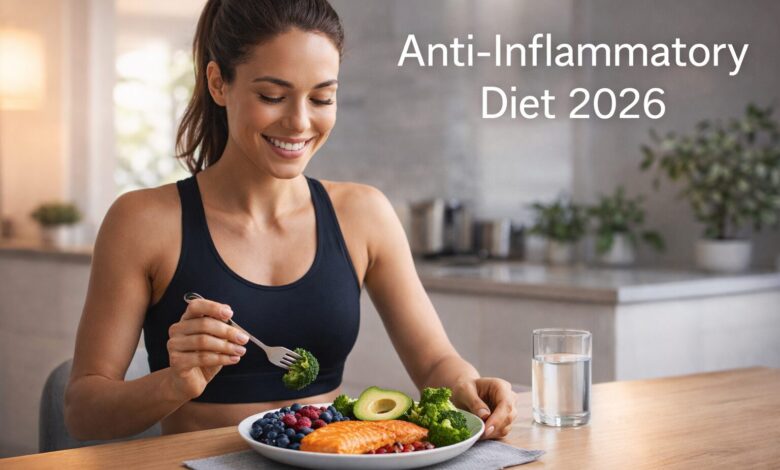
An anti-inflammatory diet is not about strict rules or eliminating entire food groups. Instead, it’s a practical, sustainable way of eating based on whole foods:
-
More vegetables and fruits
-
High-quality proteins
-
Healthy fats
-
Fewer ultra-processed foods
This guide turns that concept into a simple food list and a realistic 7-day meal template you can actually follow.
Who This Is For
This guide is ideal for:
-
People who want a simple, repeatable diet structure
-
Anyone trying to improve energy and digestion
-
Those looking to reduce reliance on processed foods
The Core Idea (Simple Explanation)
Inflammation in the body is complex and influenced by many factors. But from a practical standpoint, the most effective approach is:
Eat more whole foods
Reduce ultra-processed foods
Increase fiber and healthy fats
That’s it. No extreme restrictions needed.
Anti-Inflammatory Diet Food List
Foods to Eat More Often
Vegetables (Daily Base)
-
Spinach
-
Broccoli
-
Carrots
-
Tomatoes
-
Leafy greens
Fruits
-
Berries (blueberries, strawberries)
-
Apples
-
Oranges
-
Bananas
Protein Sources
-
Fish (salmon, sardines)
-
Eggs
-
Chicken
-
Lentils
-
Chickpeas
Whole Grains
-
Oats
-
Brown rice
-
Quinoa
-
Whole wheat
Healthy Fats
-
Olive oil
-
Nuts (almonds, walnuts)
-
Seeds (chia, flax)
-
Avocados
Foods to Limit
-
Ultra-processed snacks
-
Sugary drinks
-
Refined carbs
-
Processed meats
-
Fast food
Step-by-Step Anti-Inflammatory Plan
Step 1: Build Your Plate Around Whole Foods
Focus on:
-
Vegetables
-
Protein
-
Healthy fats
Step 2: Keep Protein Consistent
Protein helps:
-
Control hunger
-
Stabilize meals
-
Maintain muscle
Step 3: Create a Weekly Rotation
Simple structure:
-
2 fish meals
-
2 legume meals
-
Vegetables daily
Step 4: Replace Ultra-Processed Snacks
Instead of:
Chips / cookies
Choose:
Fruit + yogurt
Nuts
Leftovers
Step 5: Keep It Repeatable
Don’t overcomplicate.
Pick 6–8 meals
Repeat them every week
This is the key to consistency.
7-Day Anti-Inflammatory Meal Plan (Simple Template)
Day 1
-
Breakfast: Oatmeal + berries
-
Lunch: Chicken salad + olive oil
-
Dinner: Salmon + vegetables
Day 2
-
Breakfast: Yogurt + fruit
-
Lunch: Lentil soup
-
Dinner: Rice + chicken + vegetables
Day 3
-
Breakfast: Eggs + whole wheat toast
-
Lunch: Chickpea salad
-
Dinner: Fish + quinoa
Day 4
-
Breakfast: Smoothie (banana + berries)
-
Lunch: Leftovers
-
Dinner: Chicken + vegetables
Day 5
-
Breakfast: Oats + nuts
-
Lunch: Tuna salad
-
Dinner: Lentils + rice
Day 6
-
Breakfast: Yogurt + seeds
-
Lunch: Chicken wrap
-
Dinner: Fish + vegetables
Day 7
-
Breakfast: Eggs + fruit
-
Lunch: Quinoa salad
-
Dinner: Light meal / leftovers
Common Mistakes
-
Trying to eliminate too many foods at once
-
Buying “healthy” products but still eating ultra-processed meals
-
Ignoring total calorie intake when weight loss is the goal
Safety and When to Get Help
Consult a professional if you:
-
Have food allergies
-
Have digestive disorders
-
Follow a medical diet
-
Need personalized nutrition advice
Suggested
✔ Add one extra vegetable daily for 14 days
✔ Replace one processed snack with fruit + yogurt
✔ Use a repeatable grocery list every week
FAQ
What is an anti-inflammatory diet?
A whole-food pattern focusing on plants, fiber, healthy fats, and fewer processed foods.
Do I need to avoid gluten or dairy?
Not necessarily. It depends on your personal tolerance.
Can it help with weight loss?
Yes, especially by reducing processed foods and improving satiety.
Is it restrictive?
No. The goal is balance, not elimination.
When will I see results?
Many people notice improvements in energy and digestion within a few weeks.
Important Note
This article is for educational purposes only and does not replace medical advice. If you have a medical condition, take medication, are pregnant or breastfeeding, or have a history of eating disorders, consult a qualified healthcare professional before making major dietary changes.
References
Harvard T.H. Chan School of Public Health
Healthy Eating Plate & Anti-Inflammatory Foods
https://www.hsph.harvard.edu/nutritionsource/healthy-eating-plate/
Mayo Clinic
Anti-Inflammatory Diet: What You Should Eat
https://www.mayoclinic.org/healthy-lifestyle/nutrition-and-healthy-eating/in-depth/anti-inflammatory-diet/art-20047831
Cleveland Clinic
Anti-Inflammatory Diet: Foods to Eat and Avoid
https://health.clevelandclinic.org/anti-inflammatory-diet/
National Institutes of Health (NIH)
Diet and Inflammation Research Overview
https://www.nih.gov/