

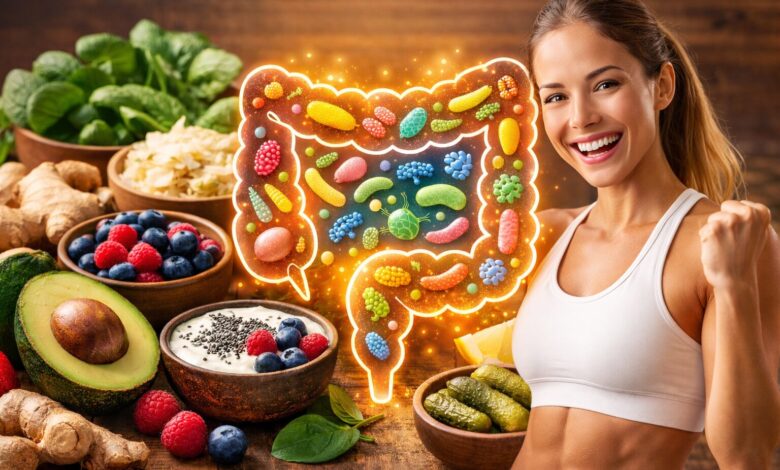
If you’ve ever dealt with bloating, irregular bowel movements, stubborn fatigue, skin flare‑ups, or food sensitivities, your gut may be asking for attention. “Gut health” isn’t just about digestion—it’s closely tied to immune function, mood, energy, and even how your body responds to inflammation.
In this guide, you’ll learn how to improve gut health naturally using practical, science‑informed steps: what to eat, what to avoid, lifestyle habits that move the needle, and how to choose supplements responsibly. The goal is not a perfect gut—it’s a resilient gut that helps you feel better day to day.
What Is Gut Health?
Gut health describes how well your digestive system works and how balanced your gut ecosystem is—especially your gut microbiome. Your microbiome is the community of bacteria, fungi, and other microbes living primarily in your intestines. When these microbes are diverse and stable, digestion is smoother and your body tends to handle stress, food, and inflammation better.
A “healthy gut” typically means: comfortable digestion, regular bowel movements, low gas and bloating, and fewer unexplained symptoms like frequent infections or low energy. But everyone’s baseline is different, and gut health is not one‑size‑fits‑all.
The Gut Microbiome (Explained Simply)
Think of your microbiome like a mini‑ecosystem. Different microbes play different roles: some help break down fibers, some produce beneficial compounds (like short‑chain fatty acids), and others help crowd out unwanted organisms.
Your diet, sleep, stress level, movement, medications (especially antibiotics), and even travel can shift this ecosystem. The goal is to create conditions that support beneficial microbes over time—mainly through fiber, fermented foods, and steady routines.
Why Gut Health Matters (Beyond Digestion)
1) Immunity: A large portion of your immune system interacts with your gut. When the gut barrier and microbiome are supported, the immune system can respond more appropriately.
2) Inflammation: Certain gut bacteria help produce anti‑inflammatory compounds. Diet patterns that reduce microbiome diversity may contribute to inflammation in some people.
3) Mood & mental clarity: The “gut‑brain axis” is the communication network between your gut and your brain. Stress can disrupt digestion, and gut discomfort can worsen stress. Improving gut routines often helps break that cycle.
4) Metabolism: The microbiome can influence how the body processes nutrients and regulates appetite signals. A gut‑friendly diet supports stable energy and cravings management.
Signs of Poor Gut Health
Common signs include: frequent bloating or gas, constipation or diarrhea, acid reflux, stomach pain after meals, persistent fatigue, frequent colds, skin issues (like acne or eczema flare‑ups), brain fog, and new food sensitivities.
One symptom alone doesn’t confirm a gut problem. But a pattern—especially paired with diet triggers or stress—often points to gut imbalance. If symptoms are severe, persistent, or include red flags (blood in stool, unexplained weight loss, persistent vomiting, severe pain), seek medical advice.
Common Causes of Gut Issues
Diet low in fiber: Many modern diets are low in plant fibers that feed beneficial bacteria.
High ultra‑processed intake: Diets heavy in added sugars and refined carbs can worsen bloating and energy swings for some.
Chronic stress and poor sleep: Stress changes gut motility and can increase digestive sensitivity.
Antibiotics and medications: Antibiotics can reduce microbiome diversity, especially with repeated use. Some medications may irritate digestion.
Low movement: Gentle activity helps gut motility and may reduce constipation.
Gut Health Naturally: The 5‑Pillar Plan
If you want a simple framework, focus on five pillars: Fiber, Fermented foods, Fluid + electrolytes, Focused routines (sleep/stress), and (when appropriate) Supplements. You don’t need to do everything at once. Start with one change for 7–14 days, then layer another.
1) Fiber: The #1 Nutrient for the Microbiome
Fiber is fuel for beneficial gut bacteria. When bacteria ferment fiber, they can produce compounds that support gut barrier function. Aim to increase fiber gradually to avoid bloating. Many people do best when they add 5–10 grams per day, then adjust.
High‑fiber foods include: oats, barley, lentils, chickpeas, beans, chia, flax, apples, berries, leafy greens, carrots, and cooked‑then‑cooled potatoes or rice (resistant starch).
2) Fermented Foods: Natural Probiotics (Food First)
Fermented foods can provide live cultures and support microbial diversity. Examples include: yogurt with live cultures, kefir, sauerkraut, kimchi, miso, tempeh, and kombucha.
Start small (a few spoonfuls) if you’re sensitive. Fermented foods are not mandatory, but for many people they are a gentle way to support gut balance.
3) Hydration and Meal Timing
Dehydration can worsen constipation. A practical approach is to drink consistently throughout the day. If you sweat a lot or live in a hot climate, consider electrolytes (especially if you’re active).
Meal timing matters too. Some people feel better with three balanced meals and fewer snacks; others need smaller, more frequent meals. Test what keeps your digestion calm and your energy stable.
4) Stress, Sleep, and the Gut‑Brain Axis
Stress can speed up or slow down gut motility, trigger reflux, and increase gut sensitivity. A basic gut‑support routine includes: 7–9 hours of sleep, daylight exposure in the morning, and a daily de‑stress practice (walking, breathing, journaling, prayer, stretching).
Even 10 minutes of calm breathing before meals can reduce the “rush” response and improve digestion for some people.
5) Supplements (When Food Isn’t Enough)
Supplements can help, but they’re most effective when used to support a solid diet and lifestyle foundation. The most common gut‑support supplements include: probiotics, prebiotic fiber, digestive enzymes, magnesium (for constipation in some people), and peppermint oil (often used for digestive comfort).
Choose supplements carefully: check third‑party testing, clear labeling of strains (for probiotics), and start with the lowest effective dose. If you take medications or have medical conditions, talk to a clinician first.
Probiotics vs Prebiotics (Quick Guide)
Probiotics are live microorganisms (usually bacteria) that can support gut balance. Prebiotics are fibers that feed beneficial bacteria. In many cases, a prebiotic‑rich diet is the best long‑term foundation.
If you use a probiotic, pick one that matches your goal (e.g., general support vs. bloating vs. antibiotic recovery). Consider cycling and monitoring symptoms rather than taking it forever by default.
A 30‑Day Gut Healing Routine (Practical)
Week 1: Add one fiber food daily (oats, lentils, chia) + 20‑minute walk most days.
Week 2: Add fermented foods 3–4 times/week + reduce ultra‑processed snacks.
Week 3: Add a consistent sleep schedule + 10 minutes stress‑down daily.
Week 4: If needed, trial one supplement (e.g., probiotic or magnesium) and track changes.
Track 3 signals: bloating level, stool regularity, and energy. Your goal is steady improvement—not perfection.
When to See a Doctor
Seek medical advice if you have severe pain, blood in stool, unexplained weight loss, persistent vomiting, anemia, night sweats, or symptoms that persist despite diet changes. Gut health content online is educational—not a substitute for personalized medical care.
Red more
– Gut health is influenced by diet, stress, sleep, movement, and medications—not one magic supplement.
– Increase fiber gradually; pair it with hydration to reduce constipation and bloating.
– Use fermented foods (food‑first) before relying on probiotic supplements.
– A simple 30‑day plan with small steps often beats extreme protocols.
– Persistent or severe symptoms deserve medical evaluation.